
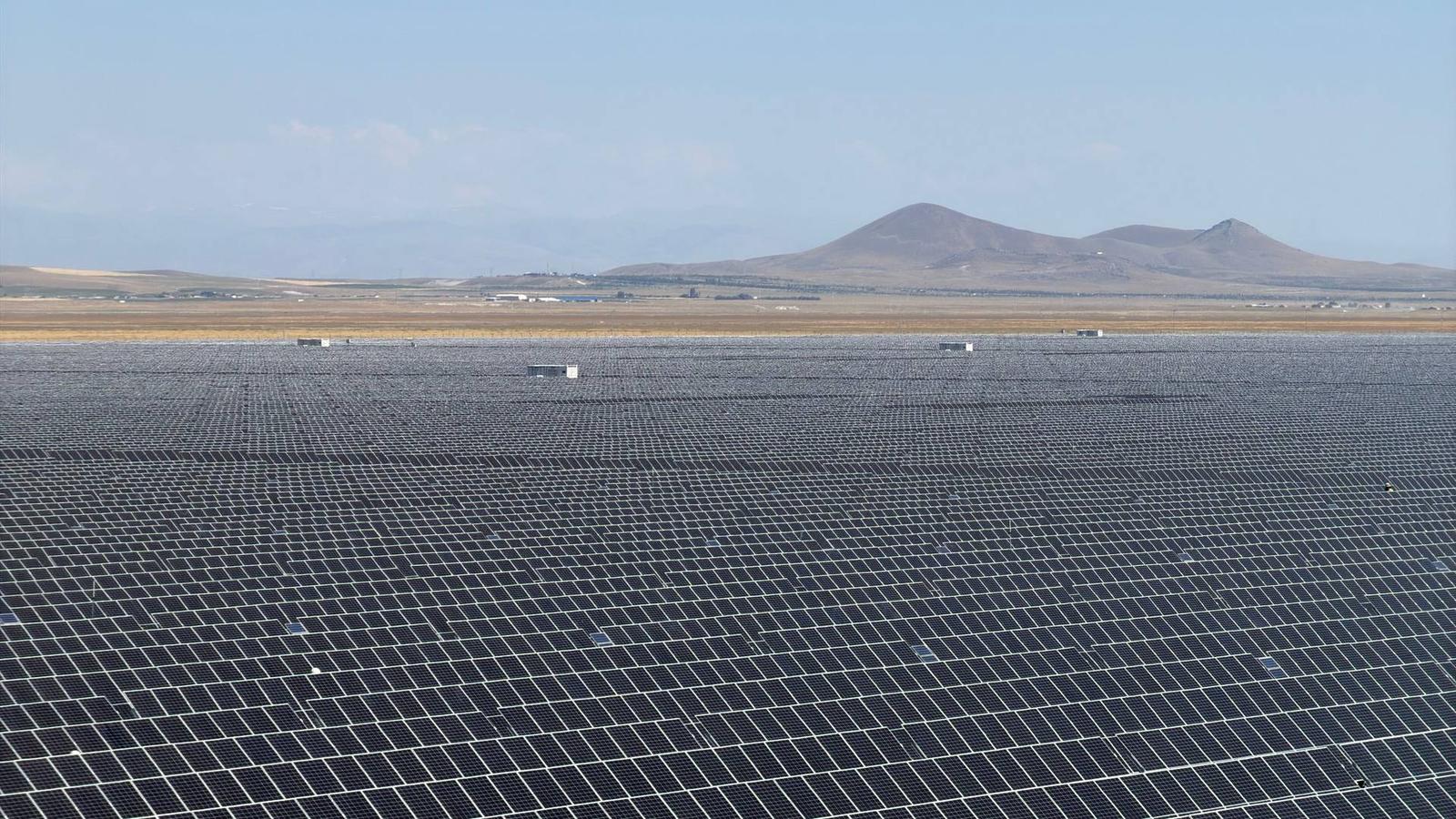
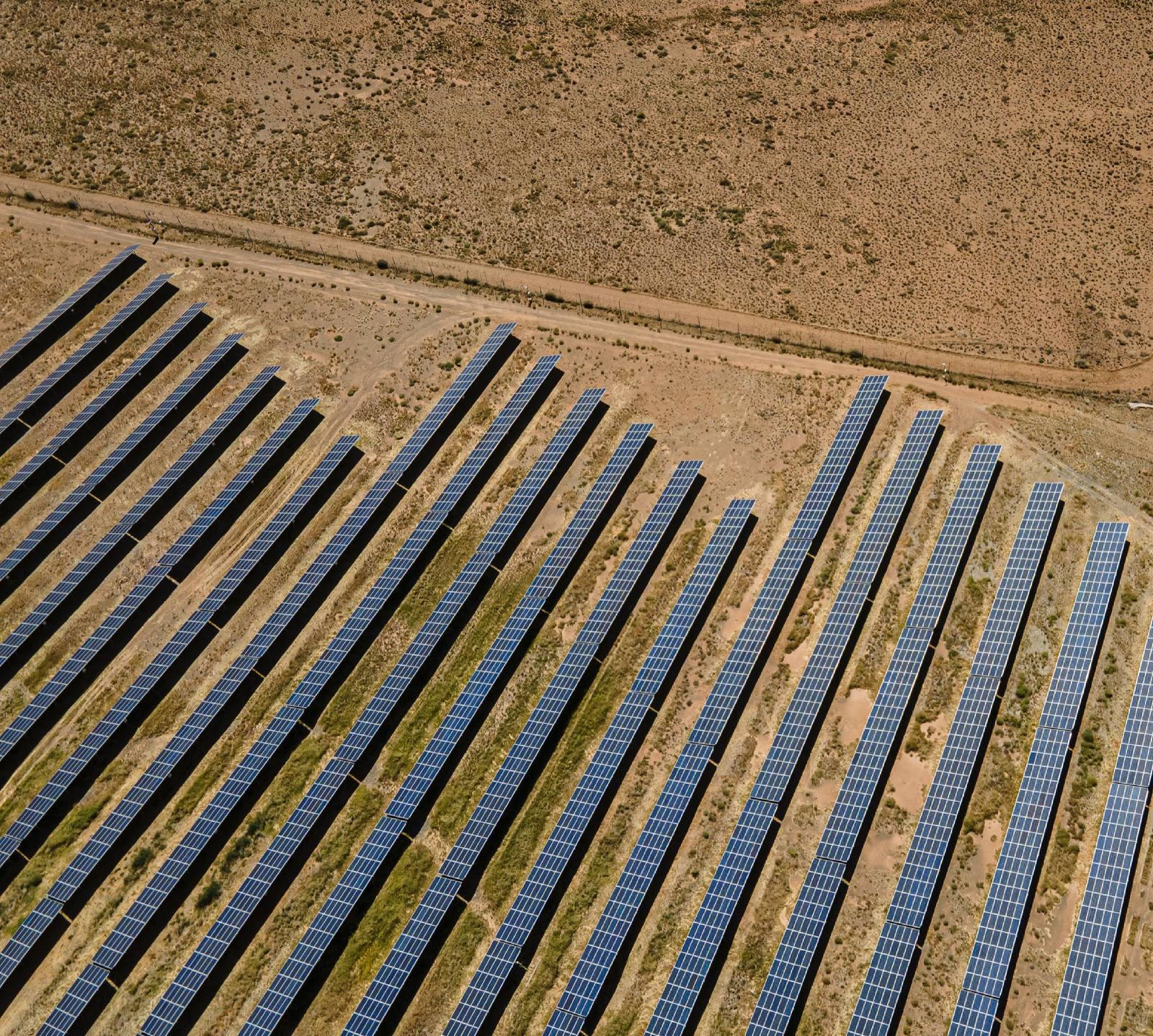
Heat and high module temperatures
High ambient temperatures reduce module output and stress inverters and cables.
Modules with a low temperature coefficient, ventilated inverter stations and cable cross-sections sized for local ambient temperatures.

Utility-scale solar power plants, built turnkey from the first soil test to the connection to the transmission grid.
A solar park only delivers its forecast yield if every part fits together: foundations, structures, cables, stations, substation and grid connection. We plan all of it together and deliver it at a fixed price.
Over the past 20 years we have delivered numerous utility-scale plants in Europe and South America together with large engineering firms. We bring this experience, and the lessons learned from very different climates and grids, to projects across Africa.

Everything a utility-scale plant needs, from one general contractor.
The ground decides the foundation. These are the systems we build, and when each of them is the right choice. Click through for details.
The standard foundation for solar parks: galvanised steel posts driven 1.5 to 3 metres into the ground, without concrete.
DetailsWhere ramming is not possible, precast concrete footings are placed on the ground or shallow foundations are cast on site.
DetailsSteel screws turned into the ground with minimal disturbance, ideal for stony mixed soils and uneven terrain.
DetailsModule rows that follow the sun from east to west and deliver more energy per module in regions with high direct irradiation.
DetailsSolar power and agriculture on the same land: elevated or widely spaced rows leave room for crops or grazing underneath and between them.
DetailsThe modules generate direct current, central inverters convert it to alternating current, the transformer station raises the voltage and the plant feeds into the grid via a substation. A battery can store energy for the evening peak.
Building a solar park in Africa is different from building one in Europe. These are the issues that decide whether a project stays on time and on budget, and how we deal with them.
High ambient temperatures reduce module output and stress inverters and cables.
Modules with a low temperature coefficient, ventilated inverter stations and cable cross-sections sized for local ambient temperatures.
Sand and dust on the modules can cost several percent of the annual yield.
Tilt angle, row spacing and access routes planned for cleaning, plus a water-saving cleaning concept included in the yield forecast.
Rock, loose sand or clay determine which foundation will hold.
Soil investigation and pull-out tests before planning, then the right choice between rammed posts, pre-drilling, ground screws or concrete foundations.
Many grids have limited capacity and strict requirements for reactive power and fault behaviour.
Grid studies at an early stage, close coordination with the utility, and inverters and substations designed to the local grid code.
Long transport routes, port handling and import procedures can delay a project by months.
Procurement plan with lead times, experienced forwarders and material staging close to the site.
Remote sites are exposed to theft of cables and components.
Fencing, lighting and video surveillance, buried cable routes and theft-resistant fastening of modules.
Short, intense rainfall can wash out foundations and cable trenches.
Drainage planning based on terrain and rainfall data, erosion protection and raised equipment foundations.
Land use, environmental and social impact assessments and grid permits must be in place before construction.
Support with permit documentation and early involvement of landowners and local communities.
Before you commit, you know exactly what the plant will produce and what it will cost.
We build utility-scale plants in the megawatt range, including transformer stations, medium-voltage collection grids and the connection to the transmission grid via a substation.
It depends on the soil. Rammed steel posts are the standard on load-bearing soils, ground screws are used on stony ground, and concrete foundations on rock or shifting desert sand. Pull-out tests on site decide.
Because planning, procurement and construction are in one hand, plants move from contract to operation in a short time. The exact schedule depends on size, permits, logistics and grid connection and is part of every offer.
We select modules with a low temperature coefficient, ventilate inverter stations, size cables for local ambient temperatures and plan tilt, row spacing and access routes for a water-saving cleaning concept.
Send us the site location and area. We will come back with a first assessment.