
Solar power plants in Kenya
East Africa's commercial hub: rapidly growing C&I solar, a clear EPRA licensing framework and net metering since 2024.
Market overview
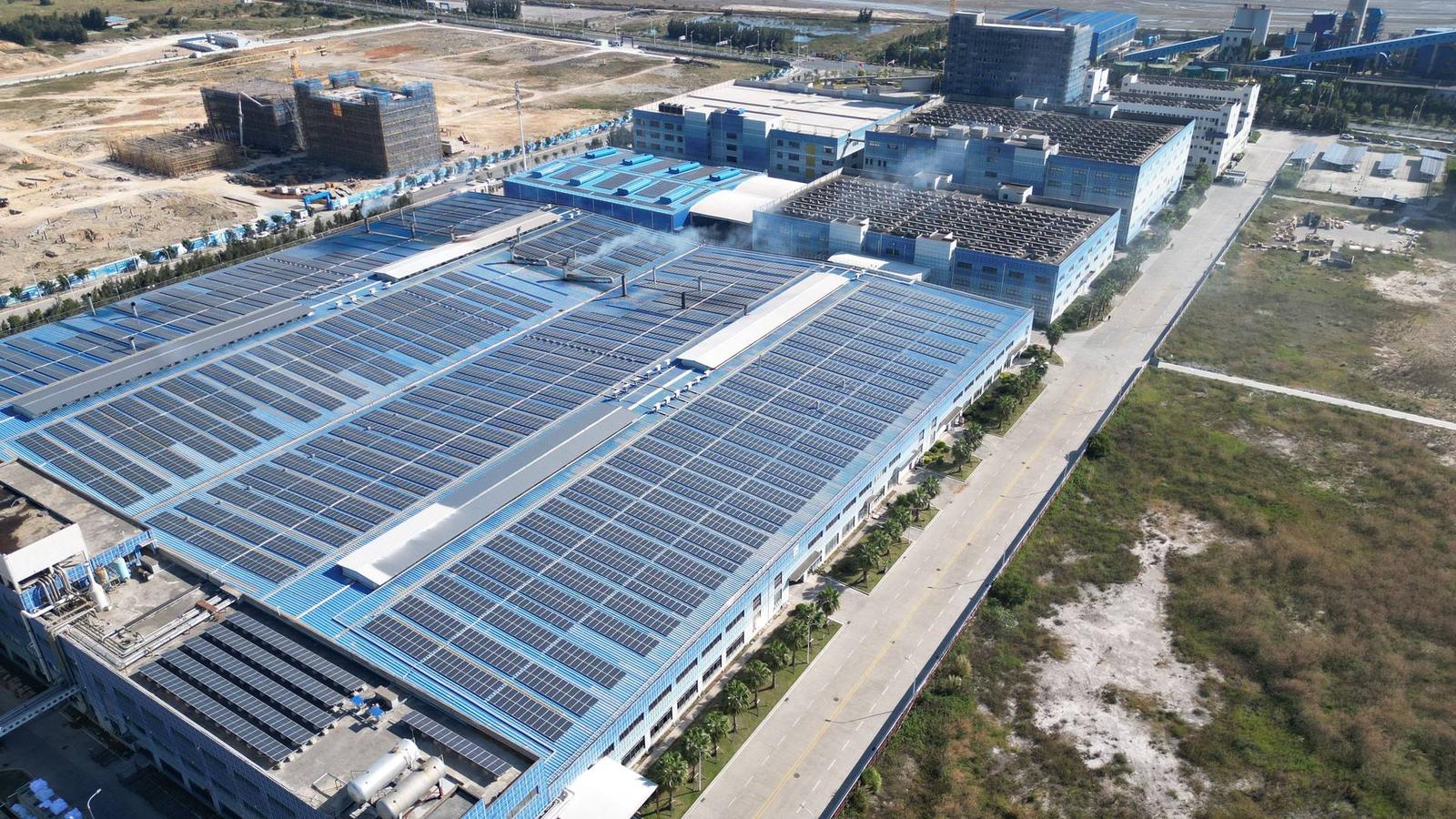
Kenya has one of the cleanest grids in Africa thanks to geothermal and hydro, but industrial electricity prices are high and supply interruptions are common. This makes captive solar for factories, flower farms, hotels and shopping centres the fastest-growing segment. Larger plants sell to Kenya Power under a PPA.
The regulatory framework is well defined: EPRA licenses contractors and generation, and the Energy (Net-Metering) Regulations of 2024 allow commercial customers up to 1 MW to export surplus.
- Regulator
- EPRA (Energy and Petroleum Regulatory Authority)
- Grid operators
- KETRACO (transmission), Kenya Power / KPLC (distribution and off-taker)
- Installed solar
- About 514 MW (mid-2025), of which about 300 MW captive C&I
- Irradiation
- About 1,800 to 2,200 kWh/m² per year
- Grid mix
- Mostly geothermal, hydro and wind; solar growing fast
Market situation
- C&I captive solar is the core market, often with batteries to bridge outages
- Utility-scale plants such as Garissa (50 MW) exist; further capacity is procured through competitive processes
- Strong agricultural sector: flower farms, tea factories and cold chains with high daytime loads
- Off-grid and mini-grid programmes (KOSAP) in the north and east
Permits and grid connection
- Own-use systems below 1 MW on own premises: no generation licence
- Above 1 MW or any sale of electricity: EPRA generation licence and PPA with Kenya Power
- Net metering: agreement with Kenya Power, bi-directional meter, up to 1 MW for C&I; exports earn an energy credit, not cash
- Installation only by EPRA-licensed solar PV contractors; NEMA environmental assessment for larger projects
What we build here
- Rooftop and ground-mounted captive plants for industry and agriculture, with hybrid controls
- Utility-scale plants for IPPs with PPA
- Residential hybrid and off-grid systems
Frequently asked questions
Who can install a solar system in Kenya?
Only contractors licensed by EPRA. We work with EPRA-licensed local partners for installation and take responsibility for engineering, procurement and site management.
Is net metering worthwhile in Kenya?
Self-consumed solar power is worth the full tariff, exported power only earns a partial credit. Systems are therefore sized for maximum self-consumption, with net metering as a bonus for weekends and holidays.
Can a plant above 1 MW be built for own consumption?
Yes, but it requires an EPRA generation licence even without export. We prepare the technical documentation such as single-line diagrams and yield studies that EPRA requires.
Regulatory details change. Figures and rules on this page reflect our research as of October 2026 and are verified for every project.
Other markets
Planning a project in Kenya?
Send us the location, the area and the planned capacity. We reply with a first assessment.